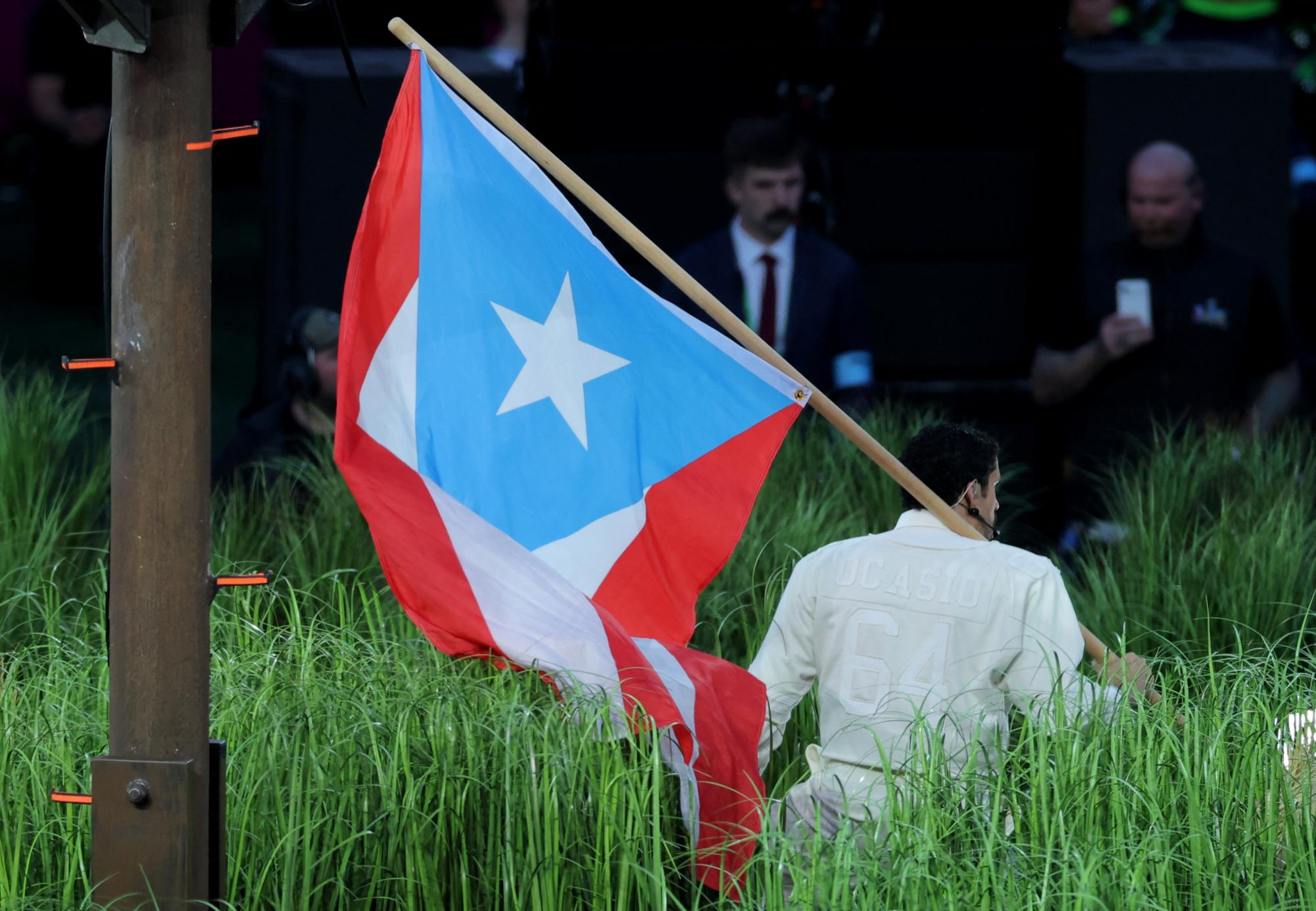

The lights dimmed at Levi’s Stadium, but for the first time in Super Bowl history, the energy didn’t feel like a typical corporate-sponsored pop set. As Bad Bunny stepped onto a stage transformed into a Puerto Rican sugarcane field. It wasn’t just a halftime show it was a takeover.
While the Seattle Seahawks were busy dismantling the New England Patriots witha 29-13 victory, the real “MVP” conversation was happening on social media and in our hallways. For our high school community, this performance was more than just a 13-minute medley of hits like Tití Me Preguntó ; it was a masterclass in identity, history, and the power of staying true to your roots.
A Message in Every Note
Bad Bunny didn’t just sing; he educated. In a bold nod to Puerto Rican history, he opened with Tití Me Preguntó against a backdrop that honored the island’s agricultural past. For those of us who have listened to his record-breaking album, Debí Tirar Más Fotos, the symbolism was clear. This was the same artist who recently took home Album of the Year at the Grammys, the first all-Spanish record to ever do so and used his speech to shout “ICE out!” and dedicate his win to those forced to leave their homelands
One of the most striking moments was the reference to Eugenio María de Hostos from his song “La Mudanza.” By invoking the name of the “Great Citizen of the Americas,” Benito connected the struggle for Puerto Rican sovereignty to a global Stage.
Breaking the language barrier
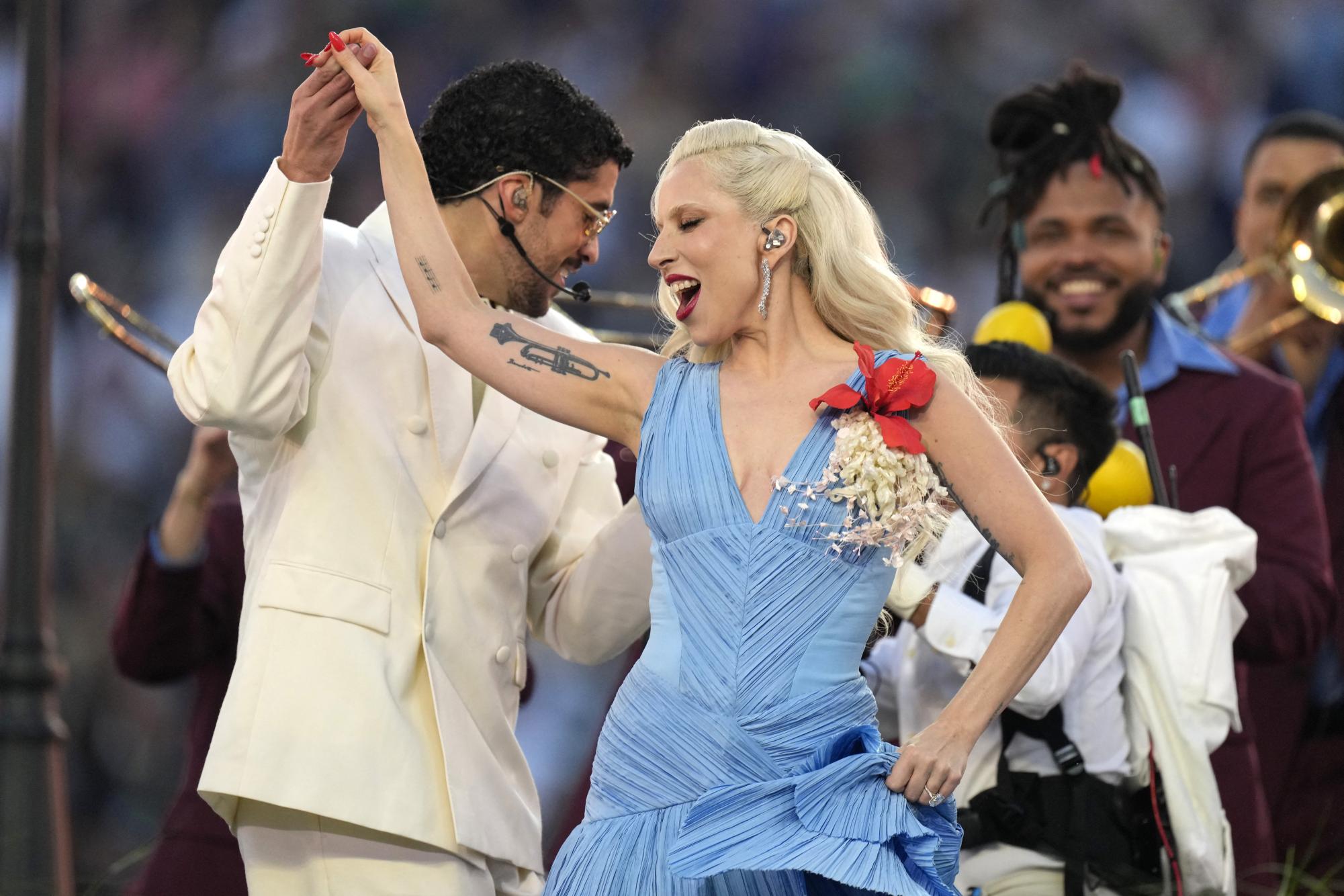
There’s always a segment of the audience that complains when they don’t understand the lyrics. But as we see every day in our own diverse school, music doesn’t need a translator to be felt. Bringing out Lady Gaga for a surprise rendition of Die With a Smile might have felt “random” to some people but it served as a bridge between two massive cultural forces. The backlash from some politicians calling the performance “smut” or “vulgar” felt like a tired rerun of old prejudices. If these lyrics were in English, would the “indecency” even be a talking point? The FCC seems to think not, finding the evidence of rule violations “thin at best.” To us, the “vulgarity” wasn’t in the dancing; it was in the attempt to silence a culture that was finally being given its flowers.
The Real Impact
For students at our school, especially those who identify with the “La Brega” spirit. Seeing Benito on that stage was a win. He didn’t sanitize his message for a primetime slot. He brought La Casita a replica of a real home in Humacao to the 50-yard line, reminding 135 million viewers that he hasn’t forgotten where he came From.
More Than Just “Entertainment”
We can debate the setlist or the “clashing vibes” of the guest appearances all we want, but the facts remain: Bad Bunny shattered viewership records (surpassing Kendrick Lamar’s 2025 high) and forced a global audience to reckon with the term “American.” As he said at the Grammys, “We are humans, and we are Americans.” This halftime show was a reminder that our community’s stories belong on the biggest stages not as a “Latino version” of something else, but as the main event.